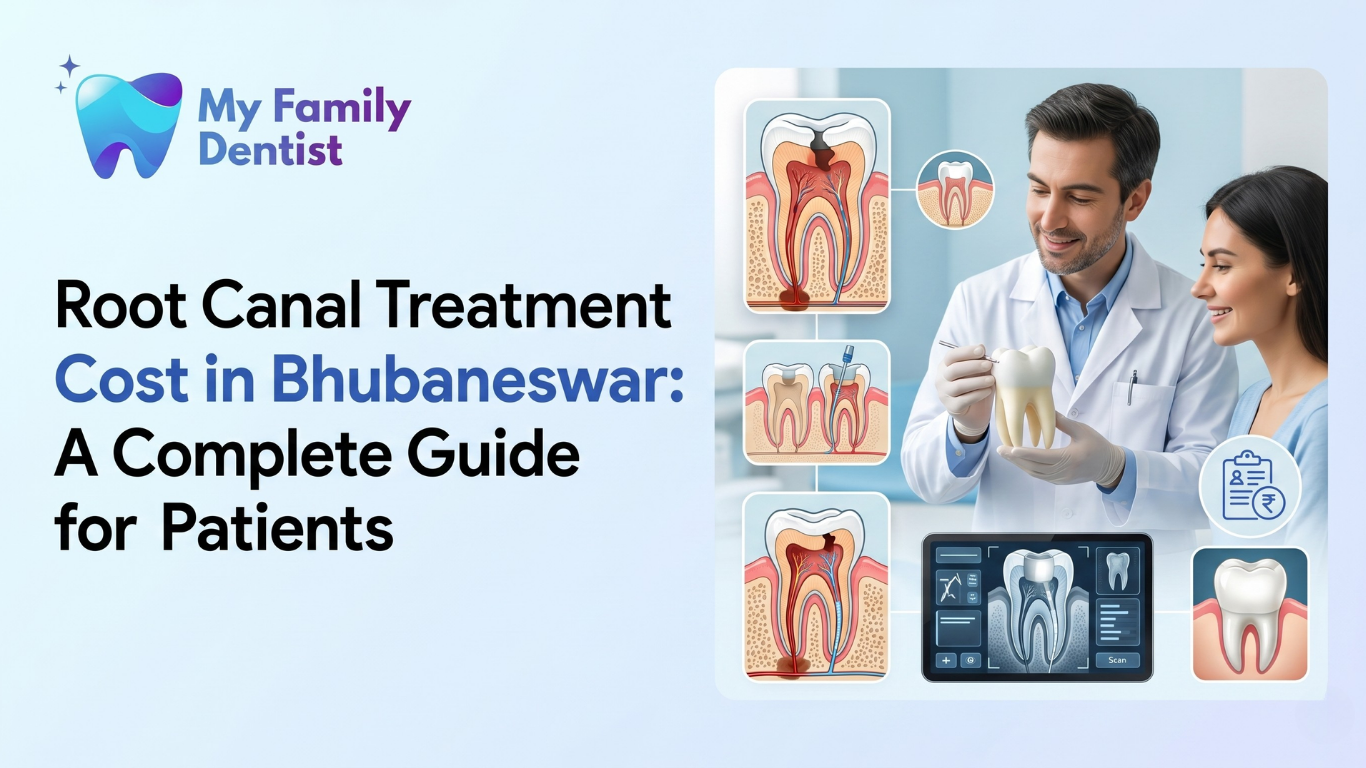
If you are searching for the root canal treatment cost in Bhubaneswar, you are likely dealing with persistent tooth pain, deep decay, or an infected tooth and want to understand both the procedure and its expected expenses. The cost of root canal treatment (RCT) can vary depending on several clinical factors, including the tooth involved, treatment complexity, and whether a dental crown is needed afterward.
Understanding what influences pricing can help you make an informed decision while focusing on preserving your natural tooth rather than delaying care until extraction becomes necessary.
What Is Root Canal Treatment?
Root canal treatment is a dental procedure used to remove infected or damaged pulp tissue from inside a tooth. After cleaning and disinfecting the root canals, the space is sealed to reduce the risk of reinfection and preserve the natural tooth.
Dentists may recommend root canal treatment when:
- Persistent toothache develops
- Hot or cold sensitivity lingers
- Deep cavities reach the dental pulp
- A cracked tooth exposes the nerve
- Swelling or infection occurs around the tooth
- Dental X-rays indicate pulp damage
The goal is to relieve infection while maintaining the function and appearance of the natural tooth.
Root Canal Treatment Cost in Bhubaneswar
There is no universal price for root canal treatment because every case differs in complexity. In Bhubaneswar, treatment costs are influenced by the condition of the tooth, the number of canals, diagnostic requirements, and restoration needs.
Patients often find that:
- Front teeth generally require simpler treatment.
- Premolars may involve moderate complexity.
- Molars usually require more time and technical expertise due to multiple canals.
- A dental crown may add to the total treatment expense if recommended after RCT.
Rather than comparing clinics based solely on price, patients should understand what services are included in the treatment plan and whether diagnostic imaging, follow-up visits, or restorations are separate.
What Factors Affect Root Canal Treatment Cost?
1. Type of Tooth Being Treated
The location of the affected tooth significantly influences treatment complexity.
- Front teeth usually have fewer canals.
- Premolars may have one or two canals.
- Molars often contain three or four canals, making treatment more time-intensive.
2. Severity of Infection
A small infection may require less intervention than advanced disease involving extensive cleaning or management of abscesses.
3. Number of Appointments
Some cases can be completed in a single sitting, while others require multiple visits depending on infection control and clinical findings.
4. Need for Digital Imaging
Digital X-rays or other diagnostic assessments help dentists evaluate root anatomy and treatment progress, contributing to overall planning.
5. Requirement for a Dental Crown
Teeth weakened by extensive decay may benefit from crown placement after root canal therapy to restore strength and function.
6. Previous Dental Treatment
Retreatment of an earlier root canal or management of complications may require additional expertise and time.
Does Root Canal Treatment Cost Include a Crown?
Not always.
Many patients assume the quoted RCT fee automatically includes crown placement, but this varies among clinics.
A treatment estimate may include:
- Clinical examination
- Root canal procedure
- Diagnostic imaging
- Temporary filling
A permanent dental crown, if advised, may be billed separately depending on the clinic’s treatment plan. Patients should ask for a detailed estimate before beginning treatment.
Why Are Molar Root Canals Often More Expensive?
Molars are located at the back of the mouth and generally contain multiple canals with complex anatomy.
Treatment may require:
- Additional cleaning time
- More intricate instrumentation
- Greater technical precision
- Longer appointments
This complexity often contributes to higher treatment costs compared with front teeth.
Root Canal Treatment With Crown: Why It May Be Recommended
After root canal therapy, some teeth become structurally weaker because decay or previous restorations have removed substantial tooth material.
A dental crown may:
- Improve chewing strength
- Reduce fracture risk
- Restore function
- Protect the treated tooth over time
Not every tooth requires a crown, but molars commonly benefit because they bear greater biting forces.
Single Sitting vs Multiple Sitting Root Canal Treatment
Single Sitting RCT
May be appropriate when:
- Infection is limited
- Anatomy is straightforward
- Clinical assessment supports immediate completion
Potential advantages include:
- Fewer appointments
- Greater convenience
- Faster completion
Multiple Sitting RCT
May be preferred when:
- Infection is extensive
- Drainage is required
- Additional medication inside the canals is beneficial
- Complex anatomy requires staged treatment
The treating dentist determines the safest approach based on examination findings.
Root Canal vs Tooth Extraction: Which Offers Better Long-Term Value?
Although extraction may initially appear less expensive, replacing a missing tooth with options such as implants or bridges can increase overall costs and involve additional procedures.
Saving the natural tooth through root canal treatment may help:
- Maintain chewing efficiency
- Preserve jaw alignment
- Prevent neighboring teeth from shifting
- Avoid more complex restorative treatment later
The most appropriate option depends on the condition of the tooth and professional evaluation.
Is Root Canal Treatment Worth the Cost?
For many patients, preserving a natural tooth provides long-term functional and oral health benefits.
Potential advantages include:
- Relief from infection-related symptoms
- Preservation of natural chewing function
- Maintenance of smile aesthetics
- Prevention of unnecessary extraction
- Reduced need for replacement procedures when the tooth is restorable
Each case should be assessed individually, and outcomes depend on proper diagnosis, treatment quality, and ongoing oral hygiene.
Medical Disclaimer
This article is intended for educational purposes only and should not replace an in-person dental evaluation. Root canal treatment recommendations and associated costs vary depending on individual clinical findings. Always consult a qualified dental professional for diagnosis and personalized treatment planning.
Conclusion
Understanding the root canal treatment cost in Bhubaneswar involves more than comparing price quotes. Factors such as tooth location, infection severity, diagnostic requirements, and the possible need for a dental crown all influence overall treatment planning.
If you are experiencing persistent tooth pain or signs of infection, scheduling a professional dental consultation can help determine whether root canal treatment is appropriate and provide a personalized cost estimate based on your specific condition.
FAQs
What is the average root canal treatment cost in Bhubaneswar?
Costs vary depending on the tooth involved, treatment complexity, diagnostic requirements, and whether additional restorative procedures such as crowns are recommended.
Why does root canal treatment cost vary?
Pricing differs based on the number of canals, severity of infection, technology used, treatment duration, and restoration needs.
Does root canal treatment cost include a dental crown?
Not always. Some clinics quote the root canal procedure separately, while crown placement may be an additional expense.
Why is molar root canal treatment often more expensive?
Molars usually have multiple canals and more complex anatomy, requiring additional treatment time and technical expertise.
Is root canal treatment better than extracting the tooth?
When a tooth can be successfully restored, preserving the natural tooth is often beneficial for maintaining normal chewing function and dental alignment.
Can root canal treatment be completed in one visit?
Some patients are suitable candidates for single-sitting treatment, while others may require multiple appointments based on clinical findings.