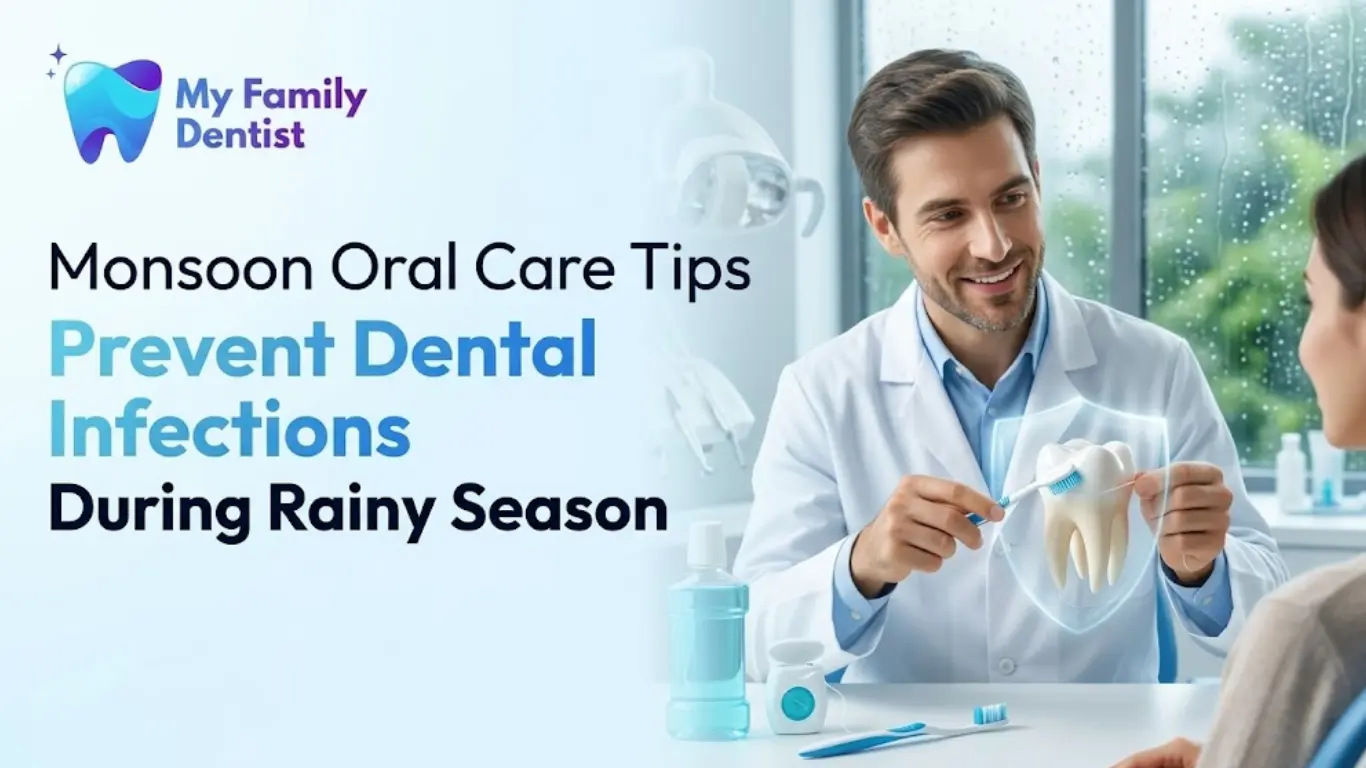
The rainy season brings cooler weather and relief from the summer heat, but it can also create conditions that affect your oral health. Increased humidity, seasonal dietary changes, and fluctuations in immunity may contribute to plaque buildup, gum irritation, bad breath, and a higher risk of dental infections in some individuals.
Following the right monsoon oral care tips can help reduce these risks and keep your teeth and gums healthy throughout the season. Whether you are concerned about cavities, bleeding gums, or persistent bad breath, maintaining a consistent oral hygiene routine and scheduling preventive dental care can make a meaningful difference.
Why Oral Health Needs Extra Attention During Monsoon
Seasonal changes can influence daily habits that support good oral hygiene. During the rainy season, many people consume more sugary snacks, hot beverages, and comfort foods while also reducing their water intake. These lifestyle changes may create an environment where harmful oral bacteria can thrive.
Humidity itself does not directly cause dental disease, but it may contribute to conditions that allow bacterial growth when oral hygiene is neglected.
Maintaining clean teeth and healthy gums becomes especially important because plaque can accumulate quickly if brushing and flossing routines become inconsistent.
Common Dental Problems During the Rainy Season
Several oral health concerns are commonly reported during the monsoon months.
Gum Inflammation
Plaque accumulating around the gumline can irritate the gums, leading to redness, swelling, tenderness, or bleeding while brushing.
Without proper care, mild gum inflammation may progress into periodontal disease.
Increased Risk of Cavities
Frequent snacking, sugary drinks, and inadequate cleaning allow bacteria to produce acids that weaken tooth enamel.
Signs of early tooth decay include:
- Tooth sensitivity
- Pain while eating sweets
- Small dark spots
- Food getting trapped between teeth
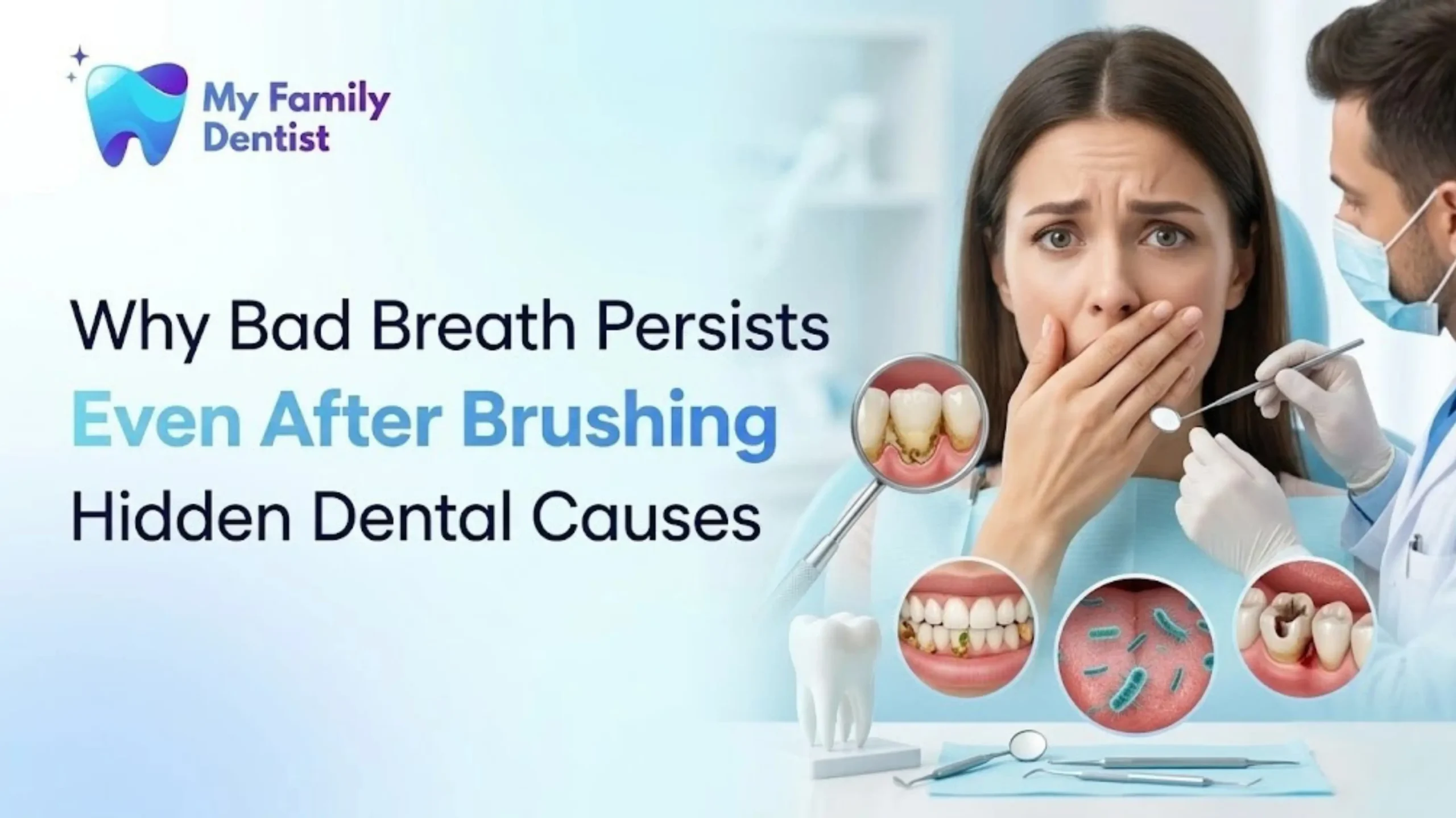
Bad Breath
Persistent bad breath often results from bacteria breaking down food particles and plaque deposits.
During monsoon, reduced hydration and poor tongue cleaning may contribute to unpleasant mouth odor.
Tooth Sensitivity
Cold weather, acidic foods, enamel wear, or exposed tooth roots can make teeth more sensitive during the rainy season.
Sensitivity that lasts beyond a few days should be evaluated by a dentist.
Mouth Ulcers
Changes in diet, stress, nutritional deficiencies, and reduced immunity may contribute to the development of painful mouth ulcers.
Most minor ulcers heal naturally, but recurrent or persistent ulcers require professional evaluation.
How Monsoon Can Increase the Risk of Dental Infections
Dental infections occur when harmful bacteria multiply beyond normal levels and affect the teeth or surrounding gums.
Several factors during the rainy season may contribute to this process:
Reduced Water Intake
People often drink less water during cooler weather.
Lower water consumption may reduce saliva production, allowing bacteria and food debris to remain in the mouth for longer periods.
Saliva naturally helps wash away bacteria and neutralize acids.
Poor Oral Hygiene
Skipping brushing before bedtime or neglecting flossing allows plaque to build up rapidly.
Plaque contains bacteria that release acids and toxins capable of damaging teeth and irritating gums.
Lower Immunity
Seasonal illnesses and temporary reductions in immunity may make some individuals more susceptible to gum inflammation and oral infections.
Maintaining a balanced diet, staying hydrated, and practicing good oral hygiene can support overall oral health.
Increased Plaque and Tartar
If plaque is not removed daily, it hardens into tartar, which cannot be removed with a toothbrush.
Tartar provides an ideal surface for bacterial growth and increases the likelihood of gum disease.
Professional scaling and polishing are required to remove tartar effectively.
Essential Monsoon Oral Care Tips
Brush Properly Twice Every Day
Brush your teeth for at least two minutes using a soft-bristled toothbrush and fluoride toothpaste.
Pay special attention to the gumline and the back teeth where plaque commonly accumulates.
Replace your toothbrush every three to four months or sooner if the bristles become frayed.
Clean Between Your Teeth Daily
A toothbrush cannot completely clean the spaces between teeth.
Use dental floss or interdental brushes once daily to remove trapped food particles and plaque.
Regular interdental cleaning helps lower the risk of gum disease and cavities.
Don’t Forget Your Tongue
The tongue harbors millions of bacteria responsible for bad breath.
Use a tongue scraper or gently brush your tongue every day to reduce bacterial buildup and improve oral freshness.
Stay Hydrated
Drinking sufficient water supports saliva production, which plays an important role in protecting the mouth against bacteria and acid attacks.
Aim to drink water regularly throughout the day, even if you do not feel particularly thirsty during cooler weather.
Limit Sugary and Sticky Foods
Traditional rainy-season snacks, sweets, and sugary beverages can increase the risk of tooth decay when consumed frequently.
Whenever possible:
- Choose fresh fruits instead of sugary desserts.
- Limit sticky sweets.
- Rinse your mouth with water after consuming sugary foods.
- Avoid frequent snacking between meals.
Choose Foods That Support Healthy Teeth
A nutritious diet helps maintain healthy gums and supports your body’s natural immune defenses.
Include foods such as:
- Fresh vegetables
- Seasonal fruits
- Milk and dairy products
- Cheese
- Yogurt
- Nuts
- Lean proteins
- Leafy green vegetables
These foods provide vitamins and minerals that contribute to healthy teeth and gums.
persistent bad breath.
Schedule a Professional Dental Cleaning
Professional scaling and polishing help remove plaque, tartar, and bacteria that cannot be eliminated through daily brushing alone. Routine dental cleanings also allow your dentist to identify early signs of oral health problems before they become more complex.
Benefits of professional dental cleaning include:
- Removal of plaque and tartar buildup
- Reduced risk of gum inflammation
- Fresher breath
- Lower risk of tooth decay
- Improved overall oral hygiene
For most adults, a professional dental cleaning every six months is commonly recommended, although the frequency may vary depending on individual oral health needs.
Preventive Dental Checkups
A routine dental examination during the monsoon season allows your dentist to evaluate your teeth, gums, and oral tissues for signs of developing problems.
During a preventive dental visit, the dentist may assess:
- Tooth decay
- Gum health
- Existing fillings or crowns
- Plaque and tartar accumulation
- Early signs of dental infections
- Oral hygiene practices
Preventive care is often simpler and less invasive than treating advanced dental conditions.
Gum Disease Management
If early gum disease is detected, timely treatment can help reduce inflammation and prevent further damage to the supporting structures of the teeth.
Treatment may include:
- Professional deep cleaning
- Oral hygiene education
- Periodontal maintenance
- Regular follow-up appointments
Managing gum disease early can contribute to healthier gums and reduce the bacterial load associated with oral infections.
Signs You Should Visit a Dentist During Monsoon
Some oral health symptoms should not be ignored, regardless of the season.
Arrange a dental consultation if you experience:
- Bleeding gums while brushing or flossing
- Swollen or tender gums
- Persistent bad breath that does not improve with oral hygiene
- Toothache lasting more than a day or two
- Tooth sensitivity that continues or worsens
- Mouth ulcers that do not heal within two weeks
- Loose teeth
- Facial swelling
- Pain while chewing
- Pus or discharge around the gums
These symptoms may indicate underlying dental conditions that require professional evaluation.
Maintaining Healthy Teeth Throughout the Monsoon Season
Developing consistent daily habits can help support oral health throughout the rainy season.
Follow a Daily Oral Hygiene Routine
Maintain a simple but effective routine:
- Brush twice every day using fluoride toothpaste.
- Floss or clean between teeth once daily.
- Clean your tongue regularly.
- Rinse your mouth with water after meals.
- Replace your toothbrush every three to four months.
Eat a Balanced Diet
Good nutrition supports healthy teeth, gums, and immune function.
Choose foods rich in:
- Calcium
- Vitamin C
- Vitamin D
- Phosphorus
- Protein
- Fibre
Limit frequent consumption of sugary snacks, soft drinks, and processed foods that may contribute to plaque formation and tooth decay.
Stay Hydrated
Even during cooler weather, drinking enough water helps maintain saliva production, which naturally protects the teeth and gums by washing away food debris and neutralising harmful acids.
Avoid Tobacco Products
Smoking and smokeless tobacco products increase the risk of gum disease, delayed healing, bad breath, and several oral health conditions.
Quitting tobacco can significantly improve both oral and overall health.
Encourage Children’s Oral Hygiene
Children may consume more sweets and packaged snacks during the rainy season.
Parents should encourage:
- Twice-daily brushing
- Healthy snacking habits
- Limited sugary drinks
- Regular dental checkups
- Proper brushing techniques
Building healthy habits early helps support lifelong oral health.
Why Preventive Dentistry Matters During Monsoon
Preventive dentistry focuses on reducing the likelihood of oral diseases before they develop into more serious conditions.
Regular preventive care may help:
- Detect cavities early
- Reduce plaque accumulation
- Maintain healthier gums
- Identify early signs of oral infections
- Promote long-term oral health
Combining good home care with regular professional dental visits provides a comprehensive approach to maintaining healthy teeth and gums throughout the year.
Conclusion
The rainy season presents unique challenges for maintaining good oral health, but adopting consistent oral hygiene practices can help reduce the risk of cavities, gum disease, bad breath, and other dental concerns.
Brushing twice daily, cleaning between your teeth, maintaining a balanced diet, staying hydrated, and scheduling routine professional dental cleanings all contribute to healthier teeth and gums throughout the monsoon.
If you notice persistent gum bleeding, tooth pain, swelling, bad breath, or any other concerning oral symptoms during the rainy season, consider consulting a qualified dentist for a comprehensive oral examination. A professional evaluation can help identify the underlying cause and provide appropriate guidance based on your individual oral health needs.
Medical Disclaimer
This article is intended for educational and informational purposes only and should not be considered a substitute for professional dental advice, diagnosis, or treatment. Every individual’s oral health needs are different. If you experience persistent tooth pain, gum bleeding, swelling, oral infections, or any other concerning symptoms, consult a qualified dentist for a personalised evaluation and appropriate treatment recommendations.
Frequently Asked Questions
1. How does monsoon affect oral health?
The rainy season can indirectly affect oral health through changes in diet, hydration, and daily routines. Increased consumption of sugary snacks, reduced water intake, and inconsistent oral hygiene may contribute to plaque buildup, gum inflammation, bad breath, and cavities.
2. Can rainy weather increase the risk of dental infections?
Rainy weather itself does not directly cause dental infections. However, poor oral hygiene, plaque accumulation, untreated cavities, and existing gum disease can increase the likelihood of bacterial infections during any season, including the monsoon.
3. What are the best oral care tips during the monsoon?
Dentists generally recommend:
- Brush twice daily with fluoride toothpaste.
- Floss once a day.
- Clean your tongue regularly.
- Stay well hydrated.
- Limit sugary and sticky foods.
- Eat a balanced, nutrient-rich diet.
- Visit your dentist for routine checkups and professional cleaning.
4. Can monsoon worsen existing gum disease?
Yes. If plaque and tartar are already present, inadequate oral hygiene during the rainy season may allow gum inflammation to progress. Individuals with existing periodontal disease should follow their dentist’s treatment plan and attend regular maintenance appointments.
5. Does humidity increase oral bacteria?
Humidity does not directly increase oral bacteria. However, oral bacteria naturally multiply when plaque accumulates due to poor oral hygiene. Consistent brushing, flossing, and professional cleanings remain the most effective ways to control bacterial growth.
6. What foods should I avoid during the rainy season for better oral health?
Limit:
- Sticky sweets
- Chocolates
- Sugary beverages
- Carbonated drinks
- Frequent snacking
- Highly processed foods
Instead, choose fresh fruits, vegetables, dairy products, nuts, and plenty of water.
7. Is professional dental cleaning recommended before or during the monsoon?
Yes. A professional dental cleaning can remove plaque and tartar that daily brushing cannot eliminate. It also allows early identification of cavities, gum disease, and other oral health concerns.
8. When should I visit a dentist for gum problems?
Schedule a dental consultation if you experience:
- Bleeding gums
- Swollen or painful gums
- Persistent bad breath
- Loose teeth
- Tooth pain
- Facial swelling
- Mouth ulcers lasting longer than two weeks
Prompt evaluation helps determine the underlying cause and appropriate treatment.