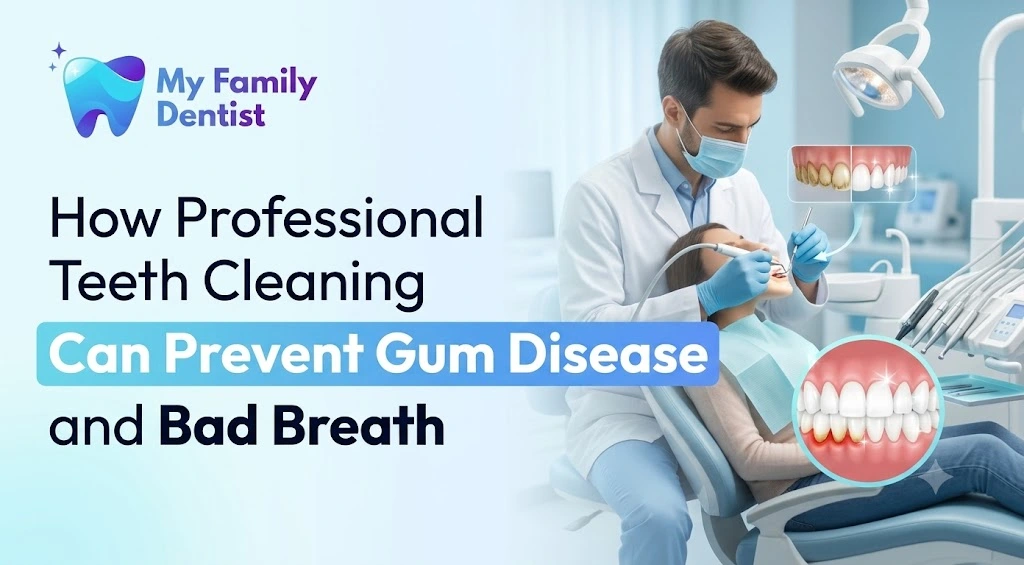
Maintaining good oral hygiene involves more than brushing and flossing every day. While home care is essential, professional teeth cleaning plays a vital role in removing hardened plaque and tartar that cannot be cleaned with a toothbrush alone.
If you experience bleeding gums, persistent bad breath, or notice yellow or brown deposits around your teeth, professional dental cleaning may help improve your oral health. Understanding how professional teeth cleaning, also known as dental scaling and polishing, works can help you take better care of your teeth and gums.
What Is Professional Teeth Cleaning?
Professional teeth cleaning is a preventive dental procedure performed by a dentist or dental hygienist to remove plaque, tartar (calculus), and surface stains from the teeth.
The procedure generally includes:
- Dental examination
- Scaling to remove plaque and tartar
- Polishing to smooth tooth surfaces
- Oral hygiene guidance
Unlike routine brushing, professional cleaning reaches areas that are difficult to clean at home, especially below the gumline and between teeth.
Why Brushing Alone Cannot Remove Tartar
Every day, bacteria in the mouth combine with food particles and saliva to form a soft, sticky layer called plaque.
If plaque is not removed regularly, it hardens into tartar (dental calculus).
Once tartar forms:
- It cannot be removed by brushing.
- Dental floss cannot break it apart.
- It creates a rough surface that allows more bacteria to accumulate.
Professional scaling is the safest and most effective way to remove tartar without damaging the teeth.
How Plaque and Tartar Lead to Gum Disease
Plaque contains bacteria that release toxins capable of irritating the gums.
Initially, this may cause gingivitis, the earliest stage of gum disease.
Common signs include:
- Bleeding while brushing
- Red or swollen gums
- Tender gums
- Persistent bad breath
If plaque and tartar remain untreated, inflammation can progress deeper into the supporting tissues around the teeth, increasing the risk of periodontitis, a more advanced form of gum disease that may affect the bone supporting the teeth.
Professional teeth cleaning helps remove the bacterial deposits responsible for this inflammation.
How Professional Teeth Cleaning Helps Prevent Gum Disease
One of the biggest benefits of professional dental cleaning is preventing gum disease before it becomes severe.
Professional scaling helps by:
Removing Plaque and Tartar
Cleaning removes deposits that brushing cannot eliminate.
Reducing Harmful Bacteria
Removing bacterial buildup lowers irritation around the gums.
Improving Gum Health
Healthy gums fit more closely around the teeth, making it harder for bacteria to accumulate.
Supporting Early Gingivitis Management
In many people with early gingivitis, professional cleaning combined with good home care can help improve gum health.
Can Professional Teeth Cleaning Help Bad Breath?
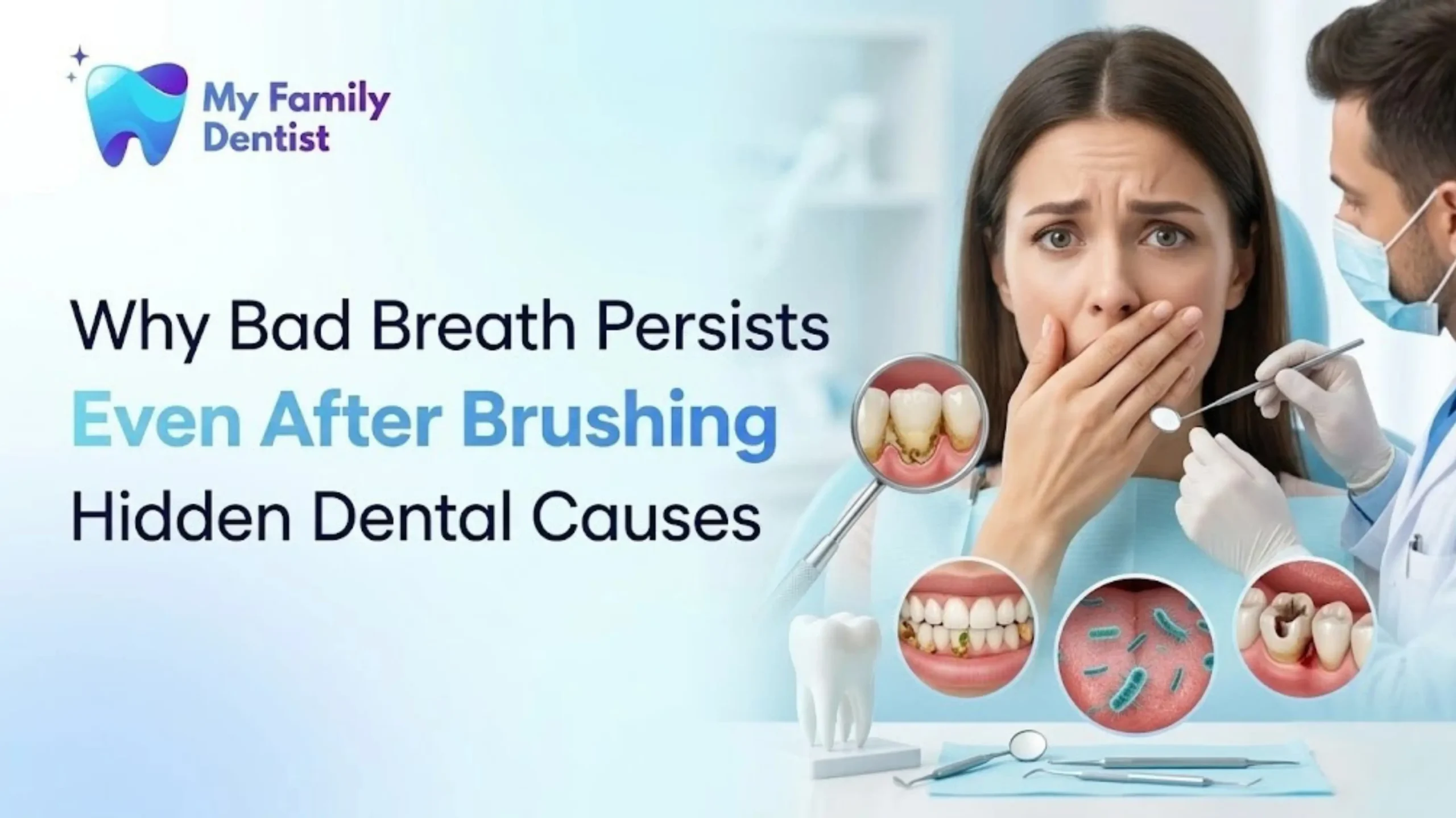
Persistent bad breath, also known as halitosis, is often linked to bacterial buildup in the mouth.
When plaque and tartar accumulate:
- bacteria produce unpleasant-smelling sulfur compounds
- food debris remains trapped between teeth
- inflamed gums create pockets where bacteria thrive
Professional cleaning removes many of these bacterial deposits, helping reduce one of the most common causes of chronic bad breath.
However, bad breath can also result from dry mouth, certain medical conditions, smoking, sinus infections, or digestive disorders. If bad breath continues despite good oral hygiene, a dental evaluation is recommended.
What Happens During Scaling and Polishing?
Many patients worry that professional cleaning may be painful.
In reality, most routine cleanings are well tolerated.
The procedure usually involves:
Step 1: Oral Examination
The dentist evaluates:
- gum condition
- plaque accumulation
- tartar deposits
- bleeding areas
- signs of cavities or other dental concerns
Step 2: Ultrasonic or Manual Scaling
Special instruments are used to remove hardened tartar above and slightly below the gumline.
Step 3: Polishing
The teeth are polished using a rotating rubber cup and polishing paste to remove minor stains and smooth the tooth surface.
Smoother teeth make it more difficult for plaque to attach quickly.
Step 4: Oral Hygiene Advice
Patients receive personalized recommendations regarding:
- brushing technique
- flossing
- interdental brushes
- mouthwash (when appropriate)
- future cleaning intervals
Signs You May Need Professional Teeth Cleaning
Even if you brush twice daily, professional cleaning may be beneficial if you notice:
- Bleeding gums
- Persistent bad breath
- Yellow or brown tartar deposits
- Swollen or tender gums
- Teeth that feel rough
- Plaque buildup around the gumline
- Stains from tea, coffee, or tobacco
- It has been six months or longer since your last cleaning
A dentist can determine whether routine scaling, deeper periodontal cleaning, or another treatment is appropriate based on your oral health.
How Often Should You Get Professional Teeth Cleaning?
Cleaning frequency varies depending on individual risk factors.
Many adults benefit from professional cleaning every six months.
Some people may require more frequent visits, including those who:
- have gum disease
- smoke or use tobacco
- have diabetes
- wear braces
- accumulate tartar quickly
- have a history of frequent gum inflammation
Your dentist will recommend a cleaning schedule based on your oral health rather than using the same interval for everyone.
Medical Disclaimer
This article is intended for educational purposes only and should not replace professional dental advice, diagnosis, or treatment. If you experience persistent bleeding gums, severe tooth pain, swelling, or ongoing bad breath, consult a qualified dental professional for an appropriate evaluation.
Conclusion
Professional teeth cleaning is an important part of preventive dental care. By removing plaque and tartar that cannot be eliminated at home, scaling and polishing can help maintain healthier gums, reduce the risk of gum disease, and improve oral freshness.
If you are experiencing bleeding gums, persistent bad breath, or noticeable tartar buildup, consider scheduling a dental examination. A qualified dentist can assess your oral health and recommend whether professional teeth cleaning or additional treatment is appropriate based on your individual needs.
Frequently Asked Questions
1. What is professional teeth cleaning?
Professional teeth cleaning is a preventive dental procedure that removes plaque, tartar (calculus), and surface stains from the teeth using specialized dental instruments. It helps maintain healthy gums and supports long-term oral health.
2. Can professional teeth cleaning help prevent gum disease?
Yes. Professional cleaning removes plaque and tartar that contribute to gum inflammation. When combined with good oral hygiene at home, it can help reduce the risk of gingivitis and lower the chance of gum disease progressing.
3. Does professional teeth cleaning help with bad breath?
It can. Persistent bad breath is often caused by plaque, tartar, and bacteria around the teeth and gums. Professional cleaning removes these deposits, which may improve breath if oral bacteria are the underlying cause.
4. Is scaling and polishing painful?
Routine scaling and polishing are generally well tolerated. Some people with sensitive teeth or inflamed gums may experience mild discomfort or temporary sensitivity, but this usually improves within a short time.
5. How often should I get my teeth professionally cleaned?
Many adults benefit from professional teeth cleaning every six months. However, people with gum disease, heavy tartar buildup, diabetes, or a history of frequent gum problems may require more frequent cleanings based on their dentist’s recommendation.
6. Why can’t brushing remove tartar?
Brushing removes soft plaque but cannot remove hardened tartar once it forms. Tartar bonds firmly to the tooth surface and requires professional dental instruments for safe removal.
7. Can professional teeth cleaning prevent tooth loss?
Regular professional cleaning helps maintain healthy gums and may reduce the risk of advanced gum disease, which is one of the leading causes of tooth loss in adults. Individual outcomes depend on overall oral health and ongoing home care.
8. How long does a professional teeth cleaning appointment take?
A routine professional cleaning typically takes about 30–60 minutes, depending on the amount of plaque and tartar present and the overall condition of the gums.
9. Does professional teeth cleaning damage tooth enamel?
No. When performed by trained dental professionals using appropriate instruments, professional teeth cleaning does not damage healthy tooth enamel.
10. When should I schedule a professional dental cleaning?
Consider scheduling a dental cleaning if you notice bleeding gums, persistent bad breath, visible tartar, swollen gums, or if it has been more than six months since your last professional cleaning.