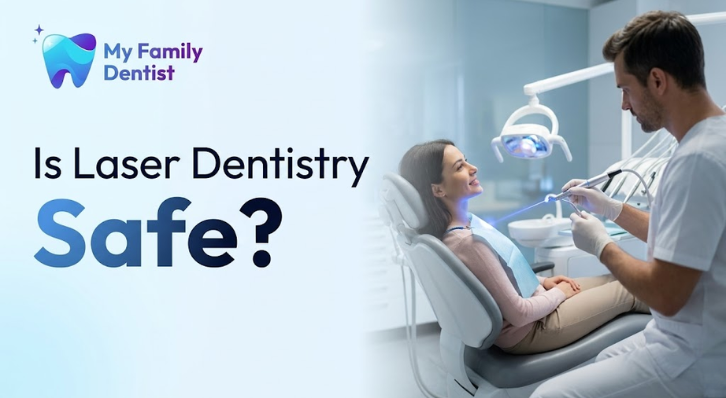
Many patients who are nervous about traditional dental drills ask: is laser dentistry safe? Modern dental lasers are widely used in dentistry for selected procedures involving teeth and gums. They are designed to improve precision and reduce discomfort during treatment.
Laser dentistry is considered safe when performed by a trained dental professional using approved technology and proper safety protocols. However, like all dental treatments, it also has limitations and may not replace conventional methods in every situation.
What Is Laser Dentistry?
Laser dentistry uses focused light energy to treat certain dental conditions.
Dental lasers may be used for:
- Gum treatments
- Cavity detection and treatment
- Teeth reshaping
- Cosmetic gum contouring
- Treatment of soft tissue lesions
Different types of lasers are used for soft tissues (gums) and hard tissues (teeth) depending on the procedure.
How Laser Dentistry Works
Dental lasers work by directing concentrated light energy onto a targeted area.
The laser can:
- Remove infected tissue
- Shape gum tissue
- Reduce bacteria
- Treat small cavities
- Minimize bleeding during procedures
Because lasers are highly precise, they may reduce trauma to surrounding tissues in certain treatments.
Is Laser Dentistry Safe?
For appropriately selected procedures, laser dentistry is generally considered safe.
Modern dental lasers are used under controlled settings and are commonly incorporated into minimally invasive dental care.
Safety depends on:
- Proper diagnosis
- Type of procedure
- Dentist training and experience
- Correct laser settings
- Patient suitability
Protective eyewear and safety measures are typically used during treatment.
Benefits of Laser Dental Treatment
Laser dentistry may offer several advantages in selected cases.
Potential benefits include:
- Reduced bleeding during gum procedures
- Improved precision
- Less discomfort in some treatments
- Reduced need for sutures in certain cases
- Faster healing for soft tissue procedures
- Lower bacterial contamination in treated areas
Some patients may also experience reduced anxiety because lasers can decrease the use of traditional drills in specific procedures.
Risks and Limitations of Laser Dentistry
Although laser dentistry is generally safe, it is important to understand its limitations.
Possible limitations include:
- Not suitable for all dental procedures
- Some treatments still need anesthesia
- Incorrect use can affect surrounding tissue
Potential side effects may include:
- Temporary sensitivity
- Mild swelling
- Gum irritation
Dentists evaluate whether laser treatment is appropriate based on the patient’s oral condition.
Procedures Commonly Done With Dental Lasers
Common laser dental treatments include:
Laser Gum Treatment
Used for gum reshaping or treatment of gum disease.
Laser Cavity Treatment
May help remove small areas of tooth decay.
Cosmetic Gum Contouring
Used to improve gum appearance in smile design procedures.
Soft Tissue Procedures
Treatment of ulcers or excess tissue removal.
Laser Dentistry vs Traditional Dental Treatment
| Feature | Laser Dentistry | Traditional Dentistry |
|---|---|---|
| Noise/Vibration | Reduced in some cases | More noticeable |
| Bleeding | Often reduced | May be higher |
| Precision | High precision | Conventional instruments |
| Recovery | Sometimes faster | Depends on procedure |
| Suitable for all procedures | No | Yes |
Laser dentistry may improve comfort for selected treatments, but traditional methods are still necessary in many situations.
What to Expect During Laser Treatment
During the procedure:
- Protective eyewear is provided
- The dentist uses a specialized dental laser device
- Some procedures may not require anesthesia
Recovery depends on the treatment performed, but many soft tissue procedures involve minimal downtime.
Who May Be Suitable for Laser Dentistry?
Laser dentistry may be suitable for:
- Patients anxious about dental drills
- Individuals seeking minimally invasive procedures
- Gum treatment patients
- Certain cosmetic dental procedures
Suitability varies depending on the dental condition and treatment goals.
Safety Considerations and Long-Term Care
Laser procedures still require proper oral hygiene and follow-up care.
- Maintain good brushing and flossing habits
- Attend routine dental visits
- Follow post-treatment instructions carefully
Long-term outcomes depend on overall oral health and treatment type.
When to Consult a Dentist About Laser Dentistry
If you are considering laser dental treatment, a consultation can help determine whether it is suitable for your condition.
A dentist may evaluate:
- Type of dental problem
- Gum and tooth health
- Treatment goals
- Suitability for laser-based procedures
Medical Disclaimer
This article is for educational purposes only and should not replace professional dental advice. Consult a qualified dentist for personalized evaluation and treatment recommendations.