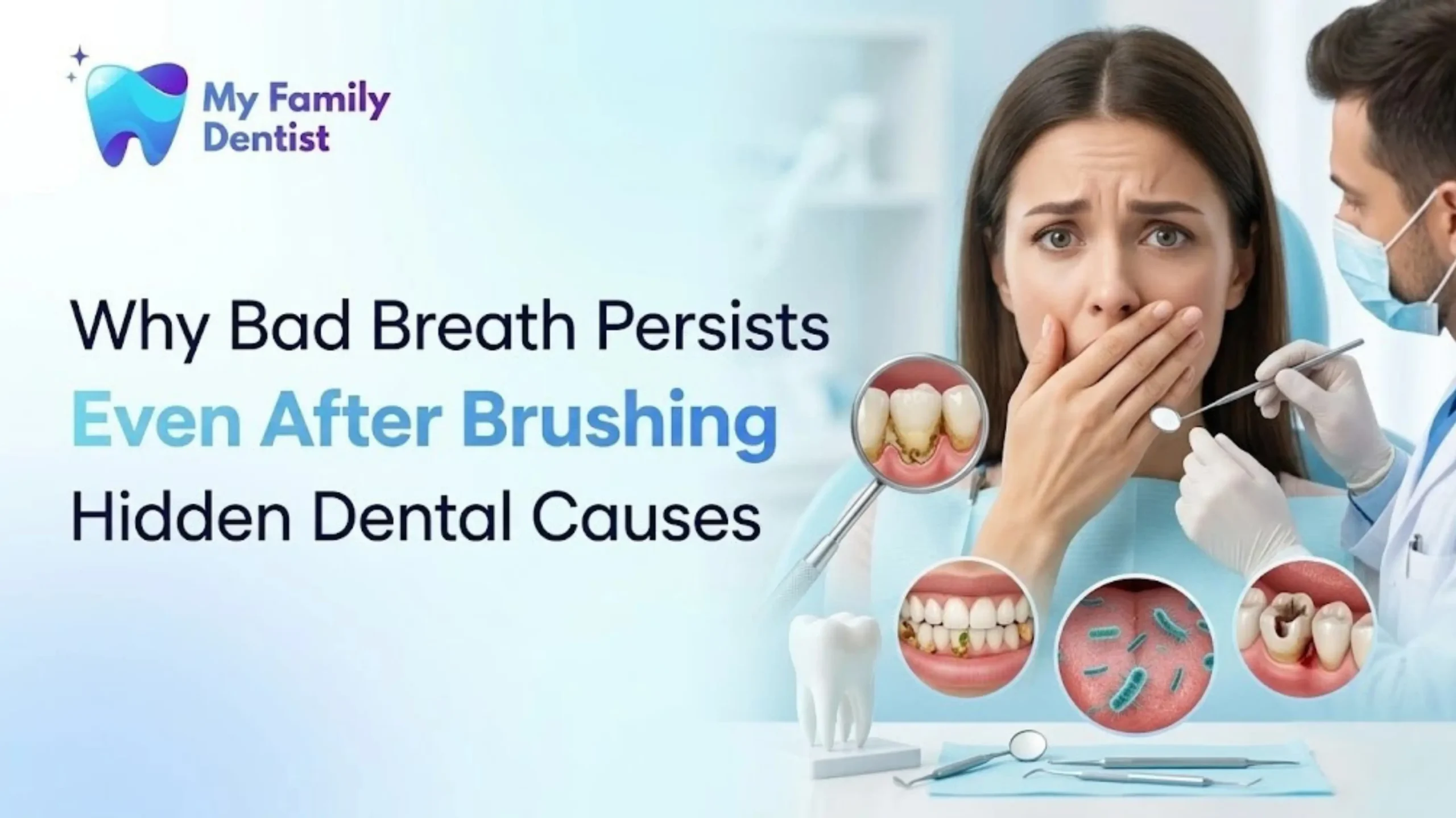

This article helps patients understand why gums bleed, available treatment options, when professional dental care may be necessary, and how to maintain long-term gum health.
Bleeding Gums Treatment
Bleeding gums are one of the most common oral health concerns. Many people notice bleeding while brushing, flossing, or eating and assume it will go away on its own. However, persistent bleeding gums may indicate inflammation, plaque buildup, or gum disease.
Understanding the causes of bleeding gums treatment options can help prevent more serious dental problems and support healthier gums over time.
What Causes Bleeding Gums?
Healthy gums typically do not bleed during normal brushing or flossing.
Bleeding often occurs when plaque and bacteria accumulate around the gumline, causing irritation and inflammation.
Common causes include:
- Plaque buildup
- Tartar accumulation
- Gingivitis (early gum disease)
- Periodontitis (advanced gum disease)
- Improper brushing technique
- Vitamin deficiencies
- Hormonal changes
- Certain medications
- Poor oral hygiene habits
Among these, gingivitis remains the most common cause of bleeding gums.
Why Plaque and Tartar Cause Gum Bleeding
Plaque is a sticky film of bacteria that constantly forms on teeth.
If plaque is not removed through proper brushing and flossing, it hardens into tartar. Unlike plaque, tartar cannot be removed at home and requires professional dental cleaning.
The bacteria associated with plaque and tartar can irritate the gums, leading to:
- Redness
- Swelling
- Tenderness
- Bleeding during brushing or flossing
Are Bleeding Gums a Sign of Gum Disease?
In many cases, yes.
Gingivitis
Gingivitis is the earliest stage of gum disease.
Common symptoms include:
- Bleeding gums
- Swollen gums
- Red or inflamed gums
- Bad breath
The good news is that gingivitis is often reversible with professional cleaning and improved oral hygiene.
Periodontitis
If gingivitis is left untreated, it may progress to periodontitis.
This advanced stage of gum disease can affect:
- Gum tissues
- Supporting bone
- Tooth stability
Periodontitis may increase the risk of tooth loss if not managed appropriately.
Common Symptoms That Accompany Bleeding Gums
Bleeding is often accompanied by additional symptoms.
Watch for:
- Persistent bad breath
- Gum tenderness
- Gum recession
- Loose teeth
- Pain while chewing
- Swollen gums
- Increased tooth sensitivity
These symptoms may indicate that professional dental evaluation is needed.
Bleeding Gums Treatment Options
The most appropriate treatment depends on the underlying cause.
Improving Daily Oral Hygiene
Mild gum inflammation may improve with:
- Brushing twice daily using a soft-bristled toothbrush
- Daily flossing
- Cleaning along the gumline
- Using dentist-recommended mouth rinses
Good oral hygiene helps reduce bacterial buildup and supports gum healing.
Professional Dental Cleaning
For many patients, professional cleaning is the first step in bleeding gums treatment.
Professional cleaning helps remove:
- Plaque deposits
- Hardened tartar
- Bacterial buildup
This may reduce inflammation and improve gum health.
Scaling and Polishing
Scaling and polishing are commonly recommended when plaque and tartar contribute to gum bleeding.
Benefits include:
- Removal of tartar deposits
- Improved gum health
- Reduction of inflammation
- Fresher breath
Deep Cleaning (Periodontal Therapy)
If gum disease extends below the gumline, deeper cleaning procedures may be necessary.
These treatments help remove bacteria from areas that regular cleaning cannot reach.
The specific approach depends on the severity of gum disease.
Can Bleeding Gums Be Reversed?
In many cases, bleeding caused by gingivitis can improve significantly when the underlying causes are addressed.
Successful treatment often involves:
- Professional cleaning
- Consistent oral hygiene
- Regular dental checkups
- Plaque control
However, advanced gum disease may require ongoing management and professional care.
When Should You Visit a Dentist?
Consider scheduling a dental examination if:
- Bleeding continues for more than a few days
- Gums bleed every time you brush
- Swelling develops
- You notice gum recession
- Bad breath persists
- Teeth feel loose
- Pain accompanies bleeding
A dentist can identify the underlying cause and recommend appropriate treatment.
How Dentists Diagnose Bleeding Gums
A dental evaluation may include:
Clinical Gum Examination
Assessment of:
- Gum inflammation
- Plaque accumulation
- Gum recession
- Bleeding areas
Dental X-Rays
X-rays may help evaluate:
- Bone support around teeth
- Signs of advanced gum disease
- Hidden dental issues
Periodontal Assessment
Dentists may measure gum pockets to determine whether gingivitis or periodontitis is present.
How to Maintain Healthy Gums Long-Term
Preventing future gum problems often requires a combination of professional care and home maintenance.
Recommended habits include:
- Brushing twice daily
- Flossing regularly
- Attending routine dental checkups
- Following professional cleaning schedules
- Maintaining a balanced diet
- Avoiding tobacco products
- Staying hydrated
Consistency is often the most important factor in maintaining gum health.
Conclusion
Bleeding gums are often an early warning sign that your gums need attention. While occasional bleeding may occur due to irritation, persistent bleeding should not be ignored.
Professional evaluation can help identify the cause and determine whether treatments such as scaling, polishing, periodontal therapy, or improved oral hygiene are appropriate for your situation.
Medical Disclaimer:
This article is intended for educational purposes only and should not replace professional dental advice, diagnosis, or treatment. Consult a qualified dentist for personalized recommendations.
FAQs
What causes bleeding gums?
The most common causes include plaque buildup, gingivitis, tartar accumulation, poor oral hygiene, certain medications, and gum disease.
Can bleeding gums go away on their own?
Mild irritation may improve, but persistent bleeding often indicates an underlying issue that should be evaluated by a dentist.
Are bleeding gums a sign of gum disease?
Yes. Bleeding gums are frequently one of the earliest signs of gingivitis and may indicate developing gum disease.
Can professional cleaning help bleeding gums?
Professional cleaning removes plaque and tartar that contribute to gum inflammation and bleeding.
How long does it take for bleeding gums to improve?
Improvement varies depending on the cause, severity of inflammation, oral hygiene habits, and recommended treatment.
Can bleeding gums lead to tooth loss?
Untreated gum disease may eventually affect the supporting tissues and bone around teeth, increasing the risk of tooth loss.