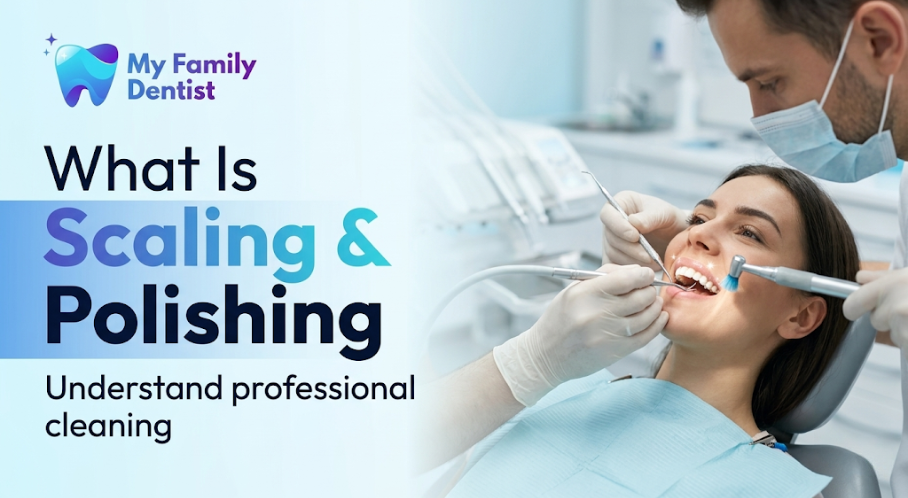
Scaling and polishing is a professional dental cleaning procedure used to remove plaque, tartar, and surface stains from teeth. Dentists recommend this preventive treatment to maintain oral hygiene and support healthy gums.
Understanding what scaling and polishing is can help patients recognize why routine dental cleaning is important even when brushing regularly at home.
Why Plaque and Tartar Build Up
Throughout the day, bacteria combine with food particles and saliva to form plaque, a soft sticky layer on teeth.
If plaque is not removed properly, it hardens into tartar (calculus).
Important Difference
- Plaque can usually be removed by brushing and flossing.
- Tartar cannot be removed at home and requires professional cleaning.
Tartar buildup may contribute to:
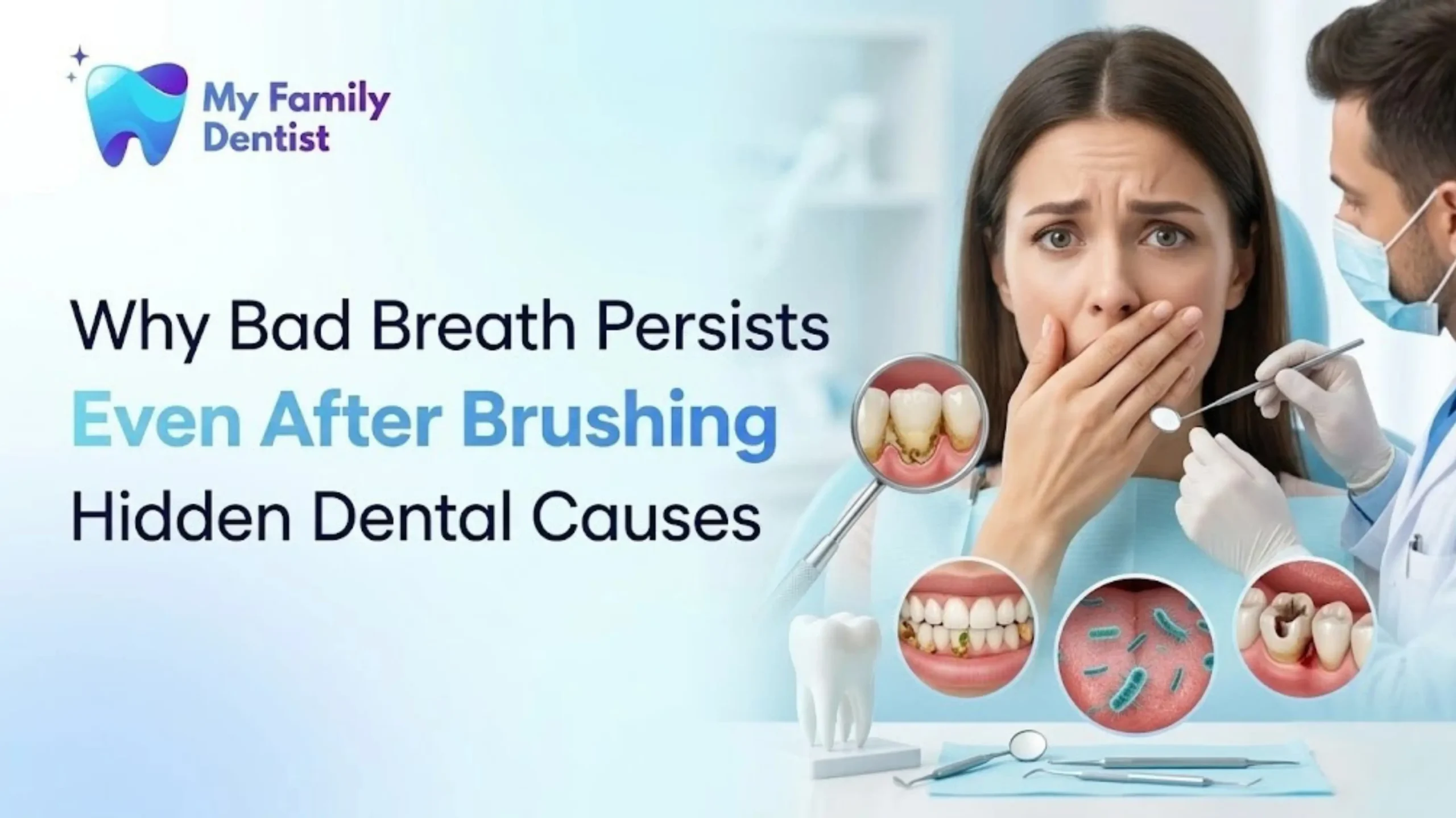
- Bad breath
- Yellow stains
- Bleeding gums
- Gum disease
What Is Scaling and Polishing in Dentistry?
Scaling and polishing are usually performed together during professional teeth cleaning.
Scaling
- Scaling Remove
- Plaque buildup
- Hardened tartar deposits
- Bacteria around the gum line
Dentists often use ultrasonic scaling devices and hand instruments for this process.
Polishing
Polishing smoothens the tooth surface using a polishing paste or rotating brush.
This helps:
- Remove minor surface stains
- Improve smoothness of teeth
- Reduce plaque attachment temporarily
How Scaling and Polishing Works
The procedure is generally simple and minimally invasive.
Typical steps include:
- Oral examination
- Removal of tartar and plaque
- Cleaning around gum margins
- Tooth polishing
- Oral hygiene guidance
The duration depends on the amount of buildup but usually takes 30–60 minutes.
Benefits of Professional Teeth Cleaning
Scaling and polishing offer both preventive and cosmetic benefits.
Common benefits include:
- Improved gum health
- Fresher breath
- Removal of tartar and stains
- Reduced risk of gum disease
- Cleaner and smoother teeth
- Better oral hygiene maintenance
Professional cleaning may also help identify early dental issues during examination.
Does Scaling and Polishing Hurt?
Many patients worry about discomfort during cleaning.
In most cases, scaling and polishing cause minimal discomfort.
Some people may experience:
- Mild sensitivity
- Slight gum tenderness
- Temporary discomfort in inflamed areas
Patients with significant tartar buildup or gum inflammation may feel more sensitivity during the procedure.
Does Scaling Damage Tooth Enamel?
A common misconception is that scaling weakens teeth.
Professional scaling performed by trained dental professionals is considered safe for tooth enamel.
The procedure removes harmful deposits from the tooth surface and gums rather than damaging healthy enamel.
Can Scaling Whiten Teeth?
Scaling can remove surface stains caused by tea, coffee, or smoking, making teeth appear cleaner and brighter.
However, it does not permanently change the natural color of teeth like professional whitening procedures.
How Often Should Scaling and Polishing Be Done?
The frequency depends on oral hygiene habits and gum health.
General recommendations:
- Every 6 months for most individuals
- More frequent cleaning for patients with gum disease or heavy tartar buildup
Dentists determine the appropriate interval based on individual needs.
Aftercare Tips After Scaling and Polishing
Proper aftercare helps maintain results for longer.
Recommended care tips:
- Brush twice daily
- Floss regularly
- Reduce tobacco use
- Limit staining foods and beverages
- Attend routine dental checkups
Good oral hygiene helps slow plaque and tartar buildup.
Signs You May Need Professional Teeth Cleaning
You may benefit from scaling and polishing if you notice:
- Bleeding gums
- Persistent bad breath
- Yellow or brown deposits on teeth
- Gum swelling
- Visible tartar buildup
Medical Disclaimer
This article is for educational purposes only and should not replace professional dental advice. Consult a qualified dentist for personalized recommendations.